
When Electrolytes Actually Matter
Ordinary meals, prolonged sweating and gastrointestinal illness call for different approaches to fluid and mineral replacement.
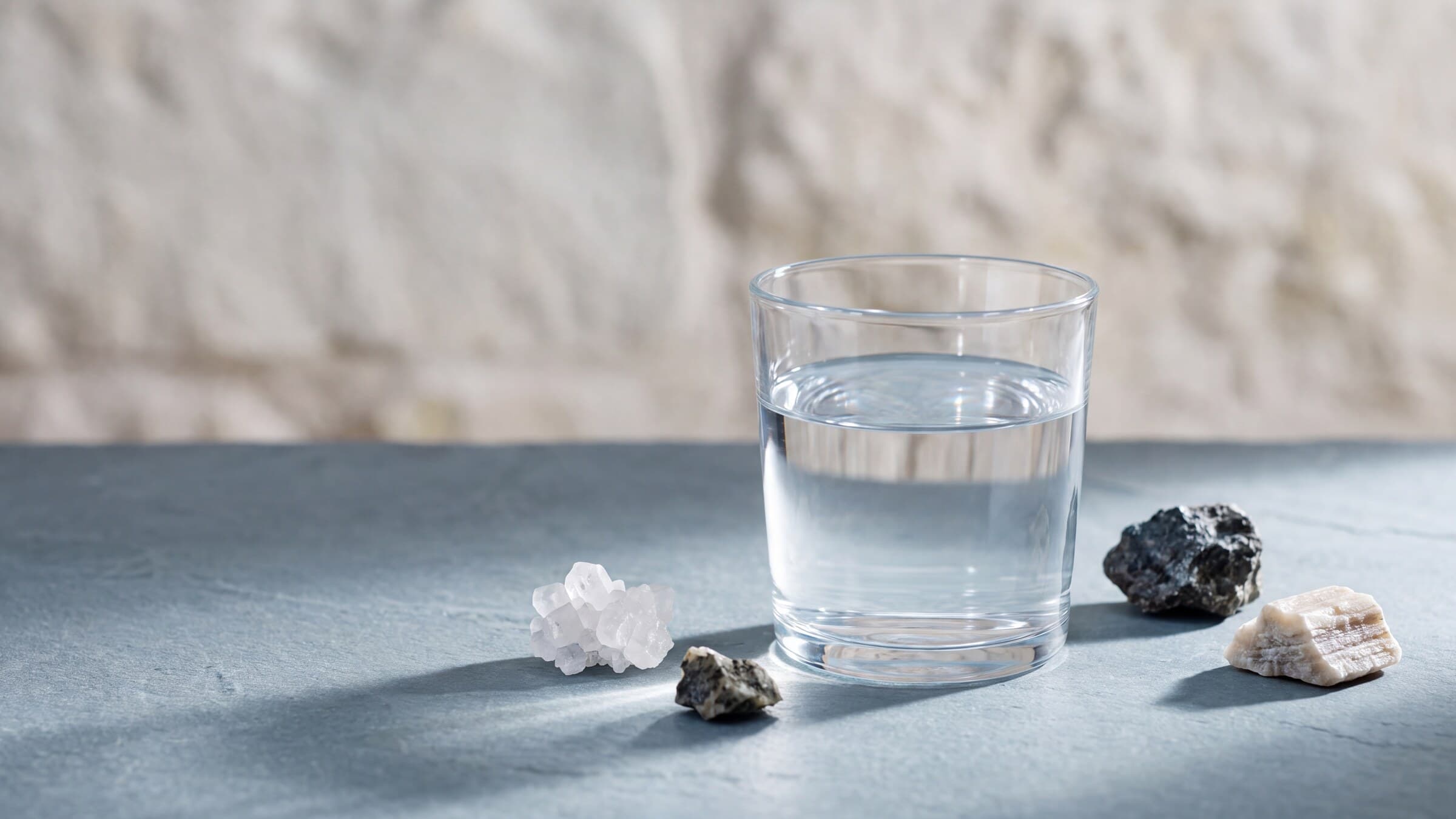
Editorial · not medical advice
A desk day, several hours of work in the heat and a bout of diarrhea have very different replacement needs. An electrolyte label does not tell you which of those situations a drink is suited to.
Electrolytes are electrically charged particles in body fluids. Dietary minerals supply sodium, potassium, chloride, calcium and magnesium, which help with fluid balance, nerve signaling and muscle function. Food supplies them throughout the day.
For routine hydration, most healthy adults can rely on water and regular meals; other drinks also contribute fluid. Substantial sweat losses or illness require closer attention to what has been lost and how it should be replaced.
During an ordinary day
Potatoes, beans, fruit, vegetables and yogurt contribute potassium. Nuts, seeds, whole grains and legumes supply magnesium. Electrolytes are part of an ordinary diet, not something found only in a specialized drink.
Water with naturally occurring minerals can add to intake, depending on the concentration and how much you drink. A mineral panel can help with that calculation. The presence of electrolytes alone does not demonstrate faster or superior hydration.
A normal workday or short, moderate activity session generally does not require a specialized replacement drink. The CDC Yellow Book notes that electrolyte replacement offers no advantage over plain water during mild to moderate exertion. That guidance should not be stretched to cover hours of heavy sweating.
When sweating continues for hours
Sweat removes water, sodium and chloride. Losses vary with conditions, activity and the individual; two people doing the same task can lose different amounts.
NIOSH’s workplace guidance distinguishes moderate activity in heat lasting less than two hours from sweating that continues for several hours. It recommends water in the first setting and sports drinks containing balanced electrolytes in the second.
Those are workplace scenarios, not a universal stopwatch rule. Protective equipment, heat exposure and the workload affect the plan. Food availability matters too, because meals and snacks can replace salt. Cooling and rest breaks remain essential; a drink cannot make unsafe heat exposure safe. Our heat-safe hydration guide covers that broader picture.
A sports drink does not make unlimited fluid intake safe. The CDC warns that excessive drinking can contribute to dangerously low blood sodium, and sports-electrolyte drinks do not reliably prevent it. Exercise-associated cramps also have multiple contributing factors, so an electrolyte drink should not be treated as guaranteed prevention or a cure.
During vomiting or diarrhea
Oral rehydration solution, usually called ORS, has a specific clinical purpose. It combines glucose and electrolytes in defined proportions to support fluid absorption and replace losses. The WHO identifies ORS as a central treatment for dehydration from diarrhea.
Severity and age matter. NIDDK guidance says many adults with viral gastroenteritis can replace losses with drinks such as water, broth or sports drinks. It recommends ORS for children and for higher-risk adults, including those with severe diarrhea or dehydration symptoms. Infants need a doctor's guidance.
That does not make the products interchangeable. When ORS is indicated, naturally mineralized water or a sports drink is not a substitute for its specified formulation. Follow the product's preparation instructions and clinical advice; do not improvise a salt-and-water recipe.
Seek urgent medical advice for repeated vomiting that prevents keeping fluids down, bloody diarrhea or dehydration that is not improving. If someone is confused, not responding normally or having severe difficulty breathing, call emergency services. Severe dehydration requires medical care, not a different bottled drink.
Choosing among similar-looking drinks
Read the formulation and intended use, not just the word “electrolytes.” These categories can overlap in marketing, but they do not all serve the same purpose.
| Category | What to check |
|---|---|
| Water with naturally occurring minerals | Individual mineral concentrations and serving volume; mineral presence does not establish a performance benefit. |
| Electrolyte beverage | Sodium, potassium, sugar and sweetener amounts, which vary across products. |
| Sports drink | Fluid, carbohydrate and electrolyte formulation, and whether it suits the duration and demands of the activity. |
| Oral rehydration solution | The intended clinical use and exact preparation instructions. It is not simply another name for a sports drink. |
For an ordinary day, water and varied meals are usually sufficient. For prolonged sweating, plan replacement around the work or exercise and your losses. For gastrointestinal illness, the appropriate choice depends on the person and severity, not the bottle's branding.
If you have kidney, heart or liver disease, high blood pressure, or prescribed fluid or electrolyte limits, follow your clinician's plan. Adding sodium, potassium or magnesium without considering those limits can be inappropriate.
Sources
- MedlinePlus: Fluid and Electrolyte Balance
- CDC Yellow Book: Heat and Cold Illness in Travelers
- NIOSH: Workplace Recommendations for Heat Stress
- WHO: Diarrhoeal Disease
- WHO: Oral Rehydration Salts—Production of the New ORS
- NIH Office of Dietary Supplements: Potassium
- NIH Office of Dietary Supplements: Magnesium
- NIDDK: Treatment of Viral Gastroenteritis
- NHS: Diarrhoea and Vomiting
- Journal of Athletic Training: An Evidence-Based Review of Exercise-Associated Muscle Cramps
Sources checked September 17, 2026.
More from the Journal
Hydration
Clear Urine Is Not the Hydration Goal
Urine color changes with recent drinking, time of day, foods and medicines. It can help you notice a pattern, but it cannot diagnose hydration on its own.
Hydration
Eight Glasses Is a Habit, Not a Rule
Food and other drinks count toward your water intake. Understanding that is more helpful than trying to fit every day into eight identical glasses.