
Yes, You Can Drink Too Much Water
A bottle can be a useful reminder to drink. Its capacity is not a prescription, and finishing more water is not automatically healthier.
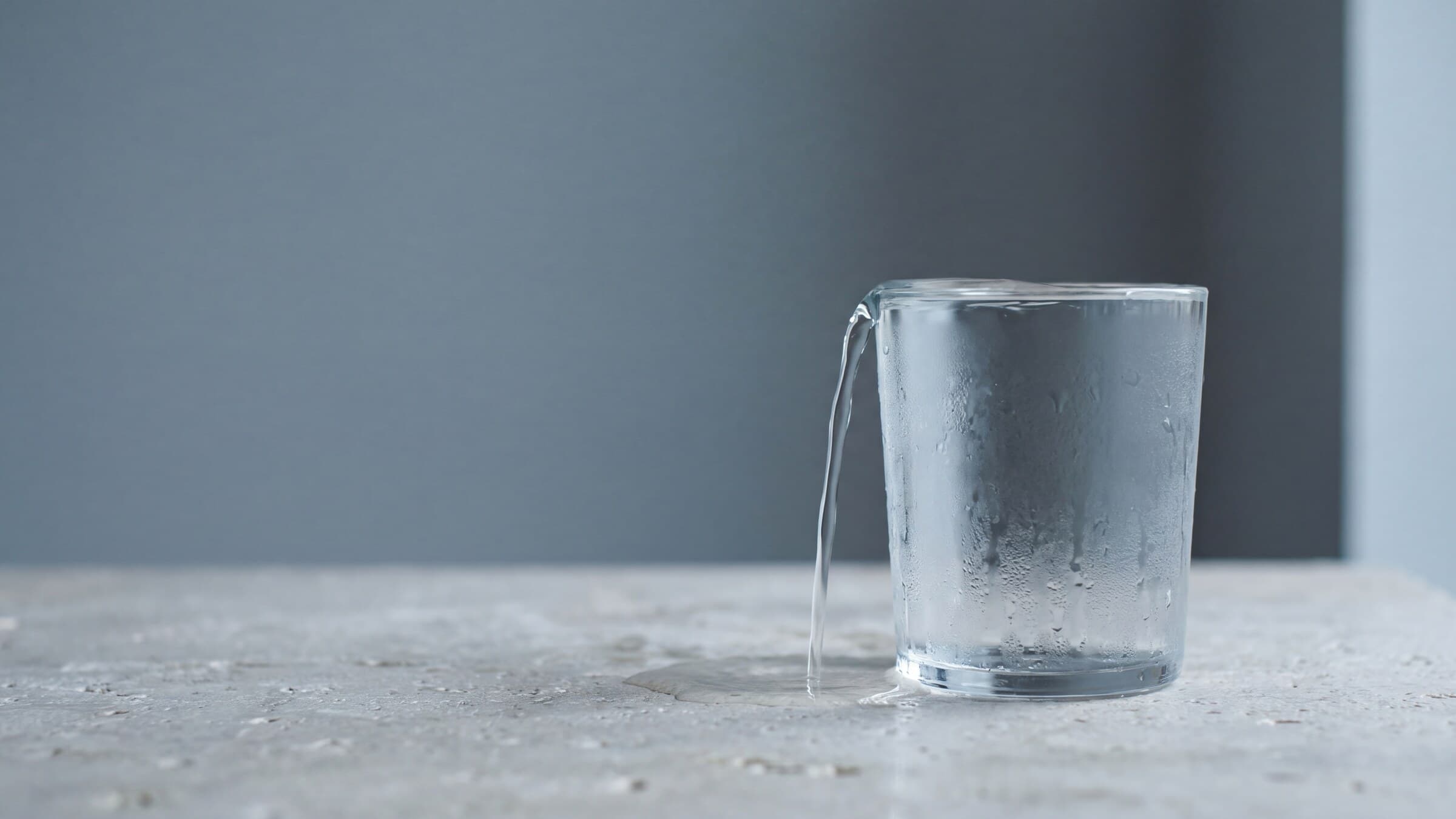
Editorial · not medical advice
A large bottle keeps water within reach. A tracker records what you have drunk. Neither can tell you that the amount left at the end of the day is something you need to finish.
Getting enough water matters. But a larger total is not always an improvement: excessive drinking can contribute to a dangerous imbalance between water and sodium in the body. Merck Manual's consumer explanation describes this as one possible cause of low blood sodium, or hyponatremia.
A bigger total is not a better score
Hyponatremia has several causes, including certain illnesses and medicines. It cannot be diagnosed from a bottle count, and it should not be treated as a problem readers can identify and fix themselves.
For everyday habits, the useful distinction is between making water available and forcing a volume simply to complete a target. A reminder can help with the first. It does not establish how much an individual needs.
The CDC explains that water needs vary with factors such as activity, age and pregnancy or breastfeeding. Hot conditions and illness can also change requirements. Food and other drinks contribute to total intake, so a plain-water tracker captures only part of the picture.
Our guide to why eight glasses is not a rule explains that distinction. The same limitation applies to a larger bottle with a more ambitious finish line.
Keep drinking advice in its setting
Advice written for a hot worksite serves a different purpose from a general daily wellness habit. NIOSH's workplace guidance addresses both adequate drinking during heat exposure and the need to avoid excessive intake. It also includes cooling, rest and working conditions.
Those recommendations belong to that setting. Taking one number out of the guidance and turning it into a personal challenge loses the context that makes it useful.
If a clinician has prescribed a fluid limit or another drinking plan, that instruction takes priority over a tracker, bottle marking or general article. Questions about how a medical condition or medicine affects fluid needs belong with the treating professional.
A brief safety note
Sudden confusion, a seizure or loss of consciousness requires emergency help. These signs have many possible causes; do not try to identify or treat the cause by choosing water, salt or an electrolyte drink. MedlinePlus explains why severe low blood sodium requires medical attention.
Keeping water nearby can support a routine. Turning every refill into a new target adds a rule that the bottle itself cannot justify.
Sources checked September 18, 2026.
Sources
More from the Journal
Mineral Science
When Electrolytes Actually Matter
Ordinary meals, prolonged sweating and gastrointestinal illness call for different approaches to fluid and mineral replacement.
Hydration
Clear Urine Is Not the Hydration Goal
Urine color changes with recent drinking, time of day, foods and medicines. It can help you notice a pattern, but it cannot diagnose hydration on its own.